Introduction to Marine Automation Systems
Marine automation systems represent a significant advancement in the maritime industry, incorporating technology to enhance navigation and vessel management processes. These systems have evolved over the years to address the complexities and demands of modern shipping operations. They streamline various tasks onboard, making them more efficient and reliable. The core objective of implementing a ship automation system is to improve operational safety, enhance efficiency, and ultimately reduce costs associated with maritime operations.
The evolution of marine automation began with basic control mechanisms and has significantly progressed to include sophisticated technologies such as integrated bridge systems, automated cargo handling, and advanced engine management systems. These developments have fundamentally transformed the way vessels operate, allowing for improved real-time monitoring and control of ship functions. The integration of sensors and communication technology facilitates seamless interaction between different ship systems, contributing to the overall effectiveness of marine automation equipment.
The importance of marine automation systems cannot be overstated. They play a crucial role in enhancing safety by minimizing human error, which is one of the leading causes of maritime accidents. Furthermore, automation contributes to operational efficiency by optimizing fuel consumption, reducing maintenance costs, and enabling more accurate navigation. In addition, with the increasing complexity of maritime regulations and environmental considerations, automated systems help ensure compliance through robust monitoring and reporting functionalities.
As the maritime industry continues to adopt innovative technologies, marine automation systems are set to become even more integral to the future of shipping. The ongoing advancements in automation not only promise enhanced operational effectiveness but also align with the industry’s growing focus on sustainability and environmental stewardship. Thus, understanding and implementing these systems is essential for shipowners and operators aiming to navigate the ever-evolving maritime landscape.
Components of Marine Automation Systems
Marine automation systems comprise a range of critical components that work in unison to enhance the operational efficiency and safety of vessels. Among these components, sensors are fundamental. They are responsible for gathering real-time data on various parameters such as temperature, pressure, and flow rates. This data is crucial for the effective monitoring of the ship’s performance and environmental conditions, enabling proactive decision-making.
Next in line are the control systems, which process the data received from sensors. These systems are designed to analyze the information and execute commands to maintain optimal operational conditions. Control systems can range from simple sequential control devices to complex programmable logic controllers (PLCs) that can manage multiple functions simultaneously, thereby ensuring the seamless operation of the ship automation system.
Communication devices also play an essential role in marine automation systems. They enable the transfer of information between various components, ensuring that all parts of the automation equipment work cohesively. This includes wired communication methods, such as Ethernet, as well as wireless technologies, which facilitate remote monitoring and control, thereby enhancing the system’s flexibility and responsiveness.
Finally, software applications are indispensable in marine automation systems. These applications provide user interfaces for operators to visualize and manage vessel operations effectively. They incorporate algorithms for data analysis, helping to optimize vessel performance and automation functionalities. Overall, each component, from sensors to software applications, contributes significantly to the efficacy and reliability of marine automation systems, ensuring vessels operate safely and efficiently on the open seas.
Types of Marine Automation Systems
Marine automation systems are integral to the efficient functioning of various operations onboard vessels. They encompass a range of technologies that enhance safety, regulatory compliance, and operational efficiencies across different ship functions. Below, we categorize various types of marine automation systems based on their specific applications.
Engine Room Automation: One of the most critical components of ship automation systems, engine room automation focuses on monitoring and controlling machinery within the engine compartment. This system ensures optimal engine performance, reduces the risk of human error, and allows for real-time adjustments based on operational demands. Additionally, regulatory compliance mandates specific safety and monitoring protocols, making engine room automation systems vital for modern maritime operations.
Ballast Water Management Systems (BWMS): With increasing regulations concerning environmental protection, BWMS plays a crucial role in managing the transfer of water in ballast tanks. These systems automate the process of treating ballast water to prevent the spread of invasive species, complying with the International Maritime Organization’s standards. The implementation of this marine automation equipment not only safeguards marine ecosystems but also ensures that vessels meet regulatory requirements.
Cargo Control Systems: Another vital category within marine automation systems, cargo control systems manage the loading, unloading, and storage of various cargo types. These systems incorporate automated valves, pumps, and sensors to enhance the efficiency and safety of cargo operations. By minimizing manual intervention, these systems significantly reduce the risk of cargo loss or damage, improving overall operational performance.
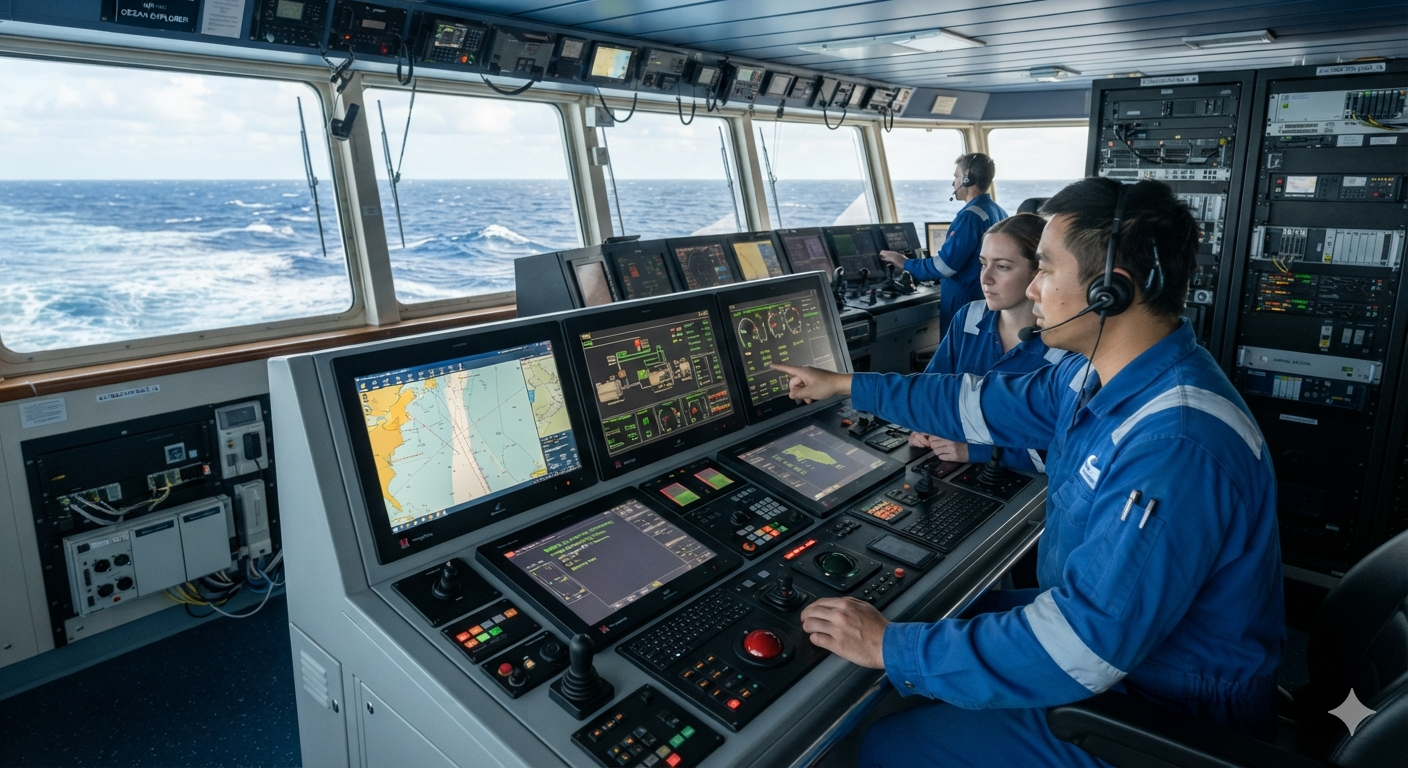
Integrated Bridge Systems: This type of automation provides a comprehensive solution for navigational and operational needs on the bridge. Integrated bridge systems combine radar, electronic chart display, and communication equipment into a single platform. This integration allows for enhanced situational awareness, better decision-making, and adherence to maritime regulations, making it an essential element of contemporary ship automation systems.
Future Trends in Marine Automation
The landscape of marine automation systems is evolving at an unprecedented pace, driven by the rapid advancement of technologies such as artificial intelligence (AI), machine learning, and the Internet of Things (IoT). These innovations are expected to revolutionize the shipping industry, making operations more efficient and safe while also addressing the growing emphasis on environmental sustainability.
One notable area of development in ship automation systems is the integration of AI and machine learning. These technologies enable vessels to analyze vast amounts of data in real-time, allowing for predictive maintenance, enhanced decision-making, and optimized routing. As these systems become more sophisticated, they will significantly reduce the need for human intervention, leading to improved operational efficiency and decreased operational costs.
Another key trend is the proliferation of IoT in marine automation equipment. With sensors and devices connected to the internet, ships can communicate and share data seamlessly, enhancing situational awareness and safety. For example, IoT technologies can monitor equipment performance and environmental conditions, providing operators with actionable insights to mitigate risks and improve resource management.
However, the integration of these emerging technologies does not come without challenges. The marine industry must address issues related to cybersecurity, as increased connectivity can expose vessels and systems to potential threats. Furthermore, regulatory frameworks will need to adapt to accommodate advances in automation, ensuring that safety standards keep pace with innovation.
Ultimately, the future of marine automation systems holds great promise for enhancing shipping operations, improving safety, and promoting environmental stewardship. As these technologies continue to mature, stakeholders must collaborate to maximize their benefits while addressing the challenges they present, thereby shaping a sustainable future for maritime operations.