Introduction to Marine Engine Control Systems
Marine engine control systems serve as the backbone of modern maritime operations, playing a critical role in ensuring the efficiency and safety of vessels. These systems are designed to monitor and regulate the performance of marine engines, enabling them to operate at optimal levels while minimizing fuel consumption and emissions. The significance of a robust marine alarm control system cannot be overstated, as it directly impacts both operational efficiency and environmental compliance.
A marine engine control system encompasses various components that work cohesively to manage key engine functionalities. Among these components are sensors that gather real-time data on engine parameters such as temperature, pressure, and speed. This information is vital for the marine alarm system to function effectively, alerting the crew to any anomalies that may arise during operation. By providing timely alerts, these systems enhance safety and operational readiness.
The integration of marine engine control systems within a vessel’s architecture goes beyond mere performance monitoring. These systems are essential for controlling propulsion mechanisms, thereby influencing maneuverability and navigation. Modern marine engine control systems often feature advanced algorithms that can automatically adjust engine output based on varying operational conditions, ensuring that propulsion is smooth and efficient.
Furthermore, a sophisticated marine alarm system ensures that potential issues can be identified and addressed before they escalate into more serious problems. This layer of oversight is particularly important in the unpredictable marine environment, where timely responses to mechanical failures can prevent accidents and costly repairs. As maritime technology continues to evolve, the significance of marine engine control systems will only increase, underscoring the need for continual advancements in this field.
Components of Marine Engine Control Systems
The marine engine control system, a critical component for ensuring the safe and efficient operation of vessels, is comprised of several integral parts. Each component plays a specific role in the overall functionality of the system, ensuring that the marine engine operates optimally.
Firstly, sensors are vital in a marine alarm system. They continuously monitor various engine parameters such as temperature, pressure, and speed. These sensors provide real-time data to the control units, allowing for immediate adjustments to be made if they detect any anomalies. For instance, if a temperature sensor indicates that the engine is overheating, the system can activate cooling mechanisms or reduce engine power to prevent damage.
Next, actuators are crucial for the physical control of the engine’s operations. These electronic devices receive signals from the control units and implement precise movements, adjusting throttle positions or modifying fuel flow based on the commands received. This ensures optimal performance of the marine engine control system as it can rapidly respond to changes in operating conditions.
The control units themselves act as the brain of the marine engine control system. They interpret data from the sensors and send commands to the actuators. Typically, these units are programmed with algorithms that dictate how the system should react under various scenarios, integrating the components into a cohesive whole.
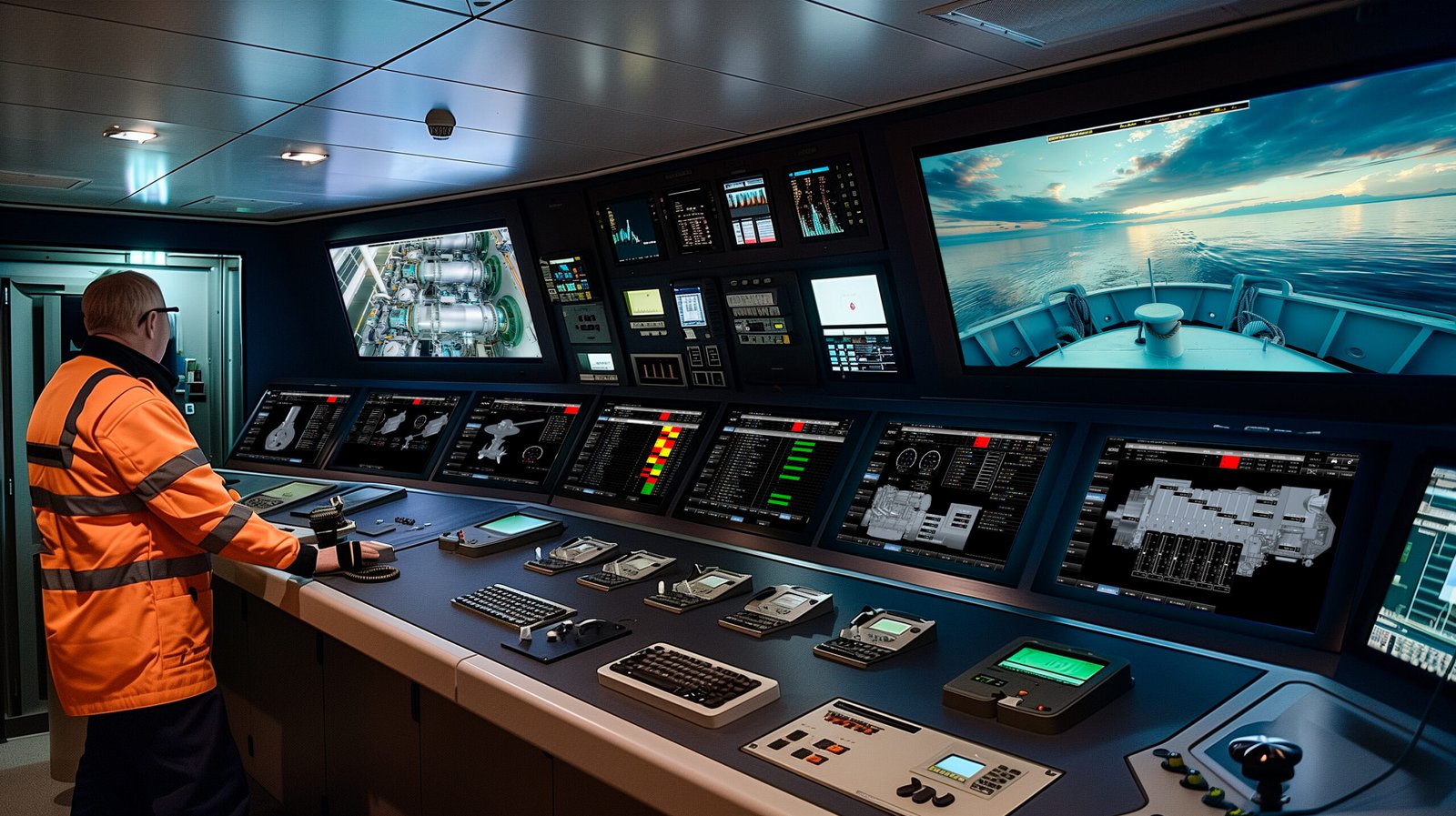
Finally, interfacing hardware, such as communication networks and display units, facilitate the connection between the components. They ensure that the information is transmitted accurately and efficiently, allowing crew members to monitor the engine performance through graphical displays or alarms in case of any faults detected by the marine alarm control system.
Understanding these components and their interactions is essential for optimizing the marine engine control system and enhancing the safety and performance of maritime operations.
Types of Marine Control Systems
Marine control systems are essential components of modern vessels, serving as the interface to manage and monitor various functions required for safe and efficient marine operations. Understanding the different types of marine engine control systems is crucial for determining their suitability in various nautical scenarios. The primary categories include fully automated, semi-automated, and manual control systems.
Fully automated marine alarm control systems are designed for maximum efficiency and minimal human intervention. They operate through sophisticated algorithms and sensors that monitor engine performance, environmental conditions, and alarms. The advantage of this system is the reduction of human error and the ability to react swiftly to potential issues, thereby promoting greater safety. Fully automated systems are particularly advantageous in high-traffic or complex nautical environments where constant monitoring is required.
On the other hand, semi-automated marine alarm systems combine automated functionalities with human oversight. This hybrid approach allows operators to manually override systems when necessary, providing flexibility while still benefiting from automation. The advantage here lies in enhanced control and adaptability to unexpected situations. These systems are often implemented in a training or operational capacity where crew members need to remain engaged and ready to take action if a fault occurs.
Lastly, manual control systems require direct human operation without the assistance of automation. While these systems allow greater personalized control and decision-making, they are often less efficient due to the potential for human error. Manual controls may be most applicable in smaller vessels or when specific situations demand direct input from experienced personnel.
In summary, the choice of marine control system can significantly affect operational efficiency and safety. Each type has its unique benefits and challenges, and selecting the right system depends on the specific requirements of the vessel and its operational environment.
Alarm systems play a vital role in the safe operation of marine engines, providing essential alerts to operators regarding potential malfunctions and safety concerns. In the context of a marine alarm control system, alarms are typically classified into two categories: visual and auditory. Visual alarms may include indicator lights or digital displays that signal specific issues, whereas auditory alarms, such as bells or sirens, grab the operator’s immediate attention to critical situations.
The primary purpose of alarm systems in marine engines is to monitor performance and identify anomalies that could lead to engine failure or environmental hazards. For instance, alarms may activate in response to changes in oil pressure, temperature fluctuations, or even abnormal vibration levels. By promptly alerting personnel to these conditions, the marine alarm system enables quick decision-making, potentially preventing accidents and costly repairs.
Establishing efficient response protocols is imperative for maintaining safety at sea. Upon receiving an alarm, operators must follow predefined procedures, which may involve investigating the source of the alarm, determining the severity of the issue, and implementing corrective actions. These protocols often include shutting down or isolating equipment if required to mitigate risks. A well-defined marine engine control system not only enhances the vessel’s operational reliability but also supports compliance with navigational safety standards.
Furthermore, regular maintenance and testing of the alarm systems are essential to ensure their functionality. Operators should routinely verify that both visual and auditory alarms are in working condition, thus guaranteeing their effectiveness during critical moments. In conclusion, alarm systems are indispensable in marine engines, providing essential safety alerts that enable quick operator responses to potentially dangerous situations.
Common Issues and Troubleshooting
Marine alarm control systems and marine engine control systems are critical components in the safe operation of vessels. However, like any complex system, they can experience various problems that may hinder their performance. Identifying these issues promptly can save time and prevent costly repairs. Some common symptoms of problems in a marine alarm system include persistent alarms, failure to respond to commands, and erratic readings or failures to display critical data.
One frequent issue users face with marine engine control systems is signal loss from sensors that relay information to the alarm system. This can occur due to wiring faults or sensor degradation over time. Troubleshooting this requires a systematic approach: start by checking the physical connections and wiring, looking for corrosion, damage, or loose connections. If the wiring appears intact, next verify the functionality of individual sensors to determine if any replacements are necessary.
Another issue that may arise is software bugs within the marine alarm control system. These bugs can result in false alarms, causing unnecessary anxiety for the crew. Regular updates and diagnostics checks are essential to ensure the software running these systems is up-to-date and functioning as intended. Engaging with the manufacturer for software patches or system upgrades can be beneficial in this regard.
Maintenance best practices are crucial in preventing issues from developing. Timely inspections of sensor calibration, electrical connections, and system parameters can help detect problems early. Additionally, conducting routine tests on the marine alarm system will ensure that all alarms are functional and will activate under the correct circumstances. This proactive approach not only enhances the reliability of marine alarm control systems but also significantly contributes to overall vessel safety.
Regulatory Standards and Compliance
The regulation of marine alarm control systems and marine engine control systems is critical to ensuring the safety and efficiency of maritime operations. Various international and regional entities develop standards for these systems, with the International Maritime Organization (IMO) being a key player. The IMO establishes guidelines and regulations to promote maritime safety, security, and environmental protection. It plays a pivotal role in shaping the framework within which marine alarm systems and engine controls must operate.
Compliance with IMO regulations influences the design and implementation of marine alarm control systems. For instance, the International Convention for the Safety of Life at Sea (SOLAS) stipulates specific requirements related to monitoring and reporting of operational parameters. Such parameters are typically managed by marine engine control systems, which must be designed to provide real-time data to onboard personnel. This requirement ensures that any abnormalities can be addressed swiftly, which is essential for preventing accidents and providing a risk-free environment.
Moreover, the compliance landscape is further complicated by regional regulations and class society requirements, which may impose additional obligations on vessel operators. Class societies, such as Lloyd’s Register and DNV GL, conduct audits and inspections to verify that marine alarm systems are designed and functioning correctly, according to both IMO and their own standards. These organizations also provide certification, which is critical for vessel owners to demonstrate their adherence to regulatory standards in the global maritime industry.
Ultimately, the interplay between regulatory compliance and the design of marine alarm and engine control systems ensures a higher level of safety at sea. With ever-evolving technologies and regulations, it is essential for shipowners and manufacturers to remain informed about the latest standards to mitigate risks and enhance operational efficiency.
Advancements in Marine Engine Technology
Recent innovations in marine engine control and alarm systems have transformed the operational efficiency and safety of marine vessels. A key advancement is the implementation of digital control systems, which replace traditional mechanical components with sophisticated electronics. This digitization enables precise monitoring and control of various engine parameters, ensuring optimal performance while minimizing the risk of malfunctions.
Moreover, the integration of Internet of Things (IoT) technology into marine alarm systems has significantly enhanced the way data is collected and analyzed. With sensors placed throughout the engine compartments, real-time data is transmitted to centralized dashboards where operators can monitor performance metrics remotely. This capability not only allows for proactive maintenance but also aids in compliance with stringent safety regulations. IoT connectivity ensures that any anomalies are swiftly identified, enabling prompt intervention before minor issues escalate into major failures.
Furthermore, advanced software solutions have emerged, designed to interface seamlessly with marine engine control systems. These software platforms offer enhanced data analytics, allowing for predictive diagnostics and decision-making support. By harnessing machine learning techniques, these systems can learn from historical data and suggest optimal operational practices to improve fuel efficiency and reduce emissions. This not only contributes to environmental sustainability but also lowers operational costs for the vessel’s owner.
In conclusion, the advancements in marine engine technology, particularly through the integration of digital controls, IoT capabilities, and intelligent software, have paved the way for more efficient and safer maritime operations. By continually embracing these innovations, the marine industry can enhance the functionality of both the marine alarm control system and the marine engine control system, reinforcing its commitment to safety and efficiency.
Case Studies of Marine Engine Control Failures
Marine alarm control systems and marine engine control systems play a critical role in ensuring the safety and efficiency of ships at sea. However, there have been instances where failures in these systems have led to serious incidents, highlighting the potential consequences of inadequate monitoring and control.
One prominent example is the case of a large cargo vessel that experienced a total engine failure during a transoceanic voyage. The crew received no alarms from the marine alarm system, indicating that the engine was operating normally. Investigations revealed that the control system had a fault in its sensors, preventing it from relaying accurate data. When the engine ultimately shut down, the vessel was left drifting in open waters, requiring emergency assistance. This scenario underscores the importance of regular maintenance checks and the need for reliable marine alarm systems that provide timely alerts to crew members.
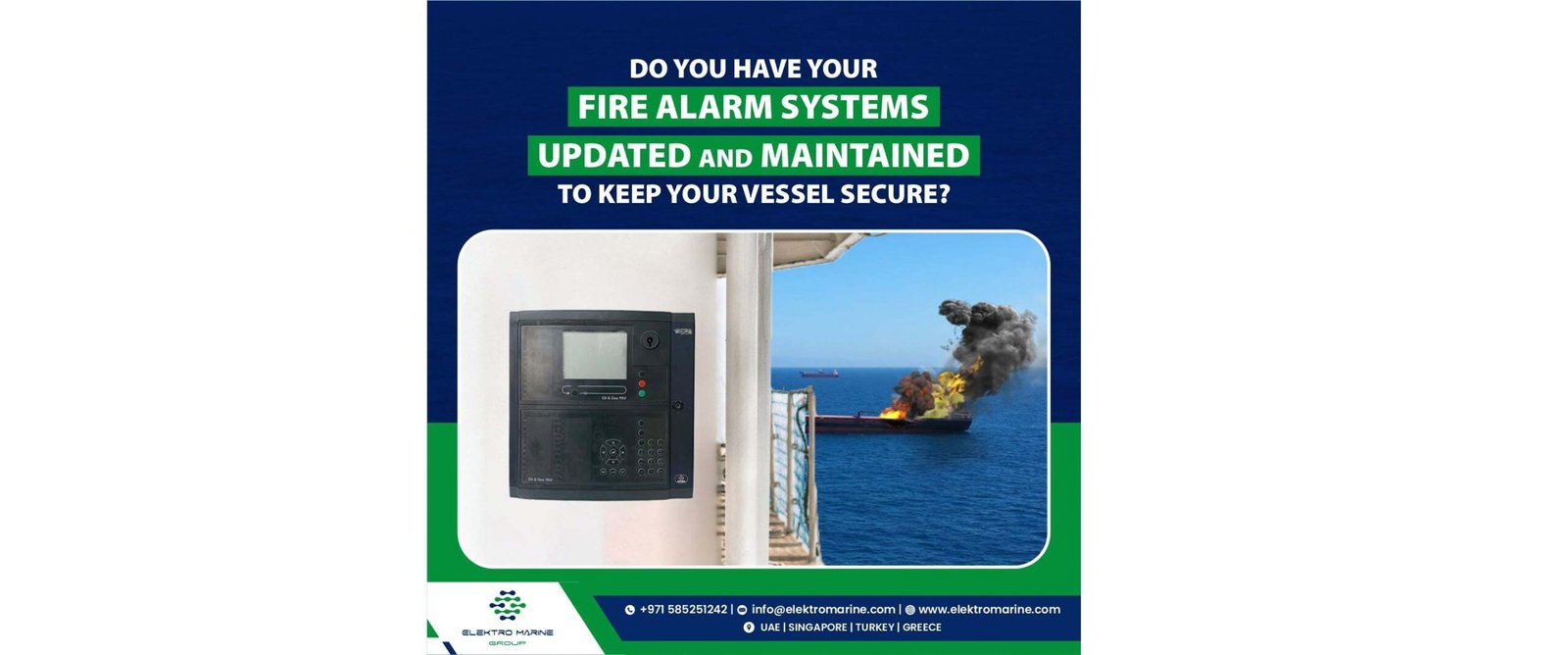
Another case involved a cruise ship that faced a significant fire hazard due to a malfunction in its marine engine control system. The alarms intended to notify the crew about overheating engines failed to activate, leading to a dangerous situation. The fire was eventually contained, but not before the safety of passengers and crew was jeopardized. This incident further illustrates how essential it is for marine alarm control systems to function as intended, enabling prompt response to potential hazards.
Furthermore, a fishing vessel’s engine control system malfunction led to a near-collision during inclement weather. The crew was unable to manage the engine’s throttle properly, resulting in challenges in maneuverability. Such incidents reiterate the need for continuous training of crew members on how to respond to alarm failures and ensuring that marine engine control systems are fail-safe.
These case studies demonstrate the critical need for robust marine alarm systems and stringent maintenance protocols to prevent future incidents. Lessons learned from these failures can guide the implementation of advanced monitoring technologies, ultimately enhancing operational safety at sea.
Conclusion and Future Outlook
In exploring the intricacies of marine engine control and alarm systems, it becomes evident that these technologies play a pivotal role in ensuring the safe and efficient operation of maritime vessels. Throughout this discussion, the emphasis has been placed on the critical functions of marine alarm control systems in monitoring engine performance, alerting crew members to potential issues, and enhancing overall vessel safety. The integration of advanced sensors, data analytics, and automated responses within the marine alarm system not only simplifies decision-making but also significantly reduces reaction times during emergencies.
As we look towards the future, it is anticipated that ongoing research and development will lead to even more sophisticated marine engine control systems. Innovations such as predictive maintenance algorithms, operator-friendly dashboards, and the use of artificial intelligence are expected to transform how these systems function. These advancements will contribute to more proactive rather than reactive safety measures, allowing for better risk management within the marine industry.
Moreover, the growing emphasis on environmental sustainability in maritime operations reinforces the need for improved efficiency within marine engine control systems. The integration of greener technologies, such as hybrid and electric propulsion systems, presents new challenges and opportunities for alarm systems designed to monitor and optimize fuel consumption and emissions. As regulatory standards evolve to address environmental concerns, the marine alarm control system will play a crucial role in compliance, ensuring that vessels meet necessary standards while still functioning efficiently.
Ultimately, the continual evolution of marine engine control and alarm systems highlights the industry’s commitment to enhancing safety, efficiency, and environmental stewardship. As technologies advance, the focus on maintaining a reliable and responsive marine alarm system will remain paramount, ensuring that vessels are well-equipped to navigate the challenges of modern maritime operations.