

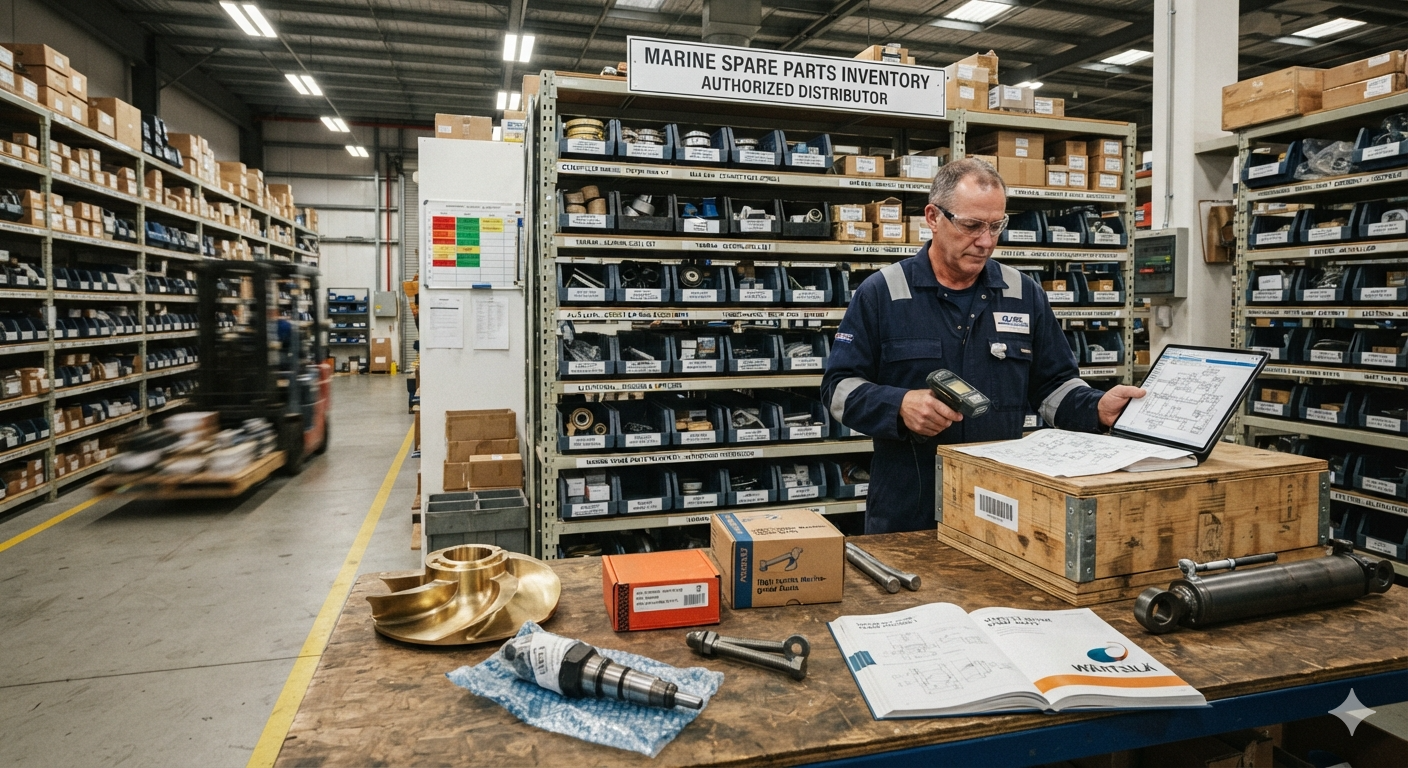
Introduction to Marine Spare Parts and Their Importance
Marine spare parts play a vital role in the efficient functioning and maintenance of cargo ships. An adequate inventory of these parts is essential to ensure that the vessels operate smoothly and meet industry standards. Having a comprehensive ship spare parts list allows for quick identification and procurement of necessary items, ultimately enhancing operational efficiency.
Effective management of marine equipment is crucial, as it ensures that ships remain operational and minimizes the risk of being stranded due to equipment failure. Downtime at sea can result in significant financial losses, exacerbating logistical challenges and delaying cargo deliveries. Therefore, maintaining a well-organized marine spare parts checklist can significantly reduce the likelihood of such disruptions.
Moreover, the safety and integrity of the vessel depend heavily on the quality and availability of spare parts. Adhering to safety regulations and conducting regular checks and part replacements ensure that cargo ships comply with maritime laws and standards. This proactive approach not only avoids safety violations but also fosters a culture of responsibility among crews handling complex machinery and equipment.
Regular maintenance backed by a systematic marine equipment list contributes to the longevity and reliability of the ship, thereby enhancing the overall performance. The discipline of maintaining a thorough inventory ensures that ship operators are prepared to address any technical concerns promptly. By recognizing the significance of effective spare parts management, shipping companies can optimize their operations while safeguarding their assets against unforeseen issues.
Essential Spare Parts for Cargo Ships
Cargo ships operate under demanding conditions that necessitate efficient functioning of various systems on board. To ensure smooth operation, a comprehensive marine spare parts checklist becomes essential. This checklist should encompass a range of critical parts categorized by system, to facilitate routine maintenance and address any emergency repairs that may arise.
First and foremost, it is crucial to have a well-stocked supply of spare parts for the propulsion system. This includes components such as propellers, shafting, and engine mounts. The main engine and auxiliary engines are pivotal, and in the event of a failure, quick access to spare parts can significantly reduce downtime, maintaining the ship’s schedule.
The electrical system is another area where having a detailed ship spare parts list can be beneficial. Essential electrical components include generators, circuit breakers, transformers, and wiring harnesses. Each elicits a unique role in ensuring reliable power distribution and operation of crucial systems. Thus, ensuring that these components are available on-site is vital for operational integrity.
Moreover, the hydraulic system on board necessitates a focus on parts such as pumps, valves, and hydraulic fluid. These components are integral in operating machinery such as steering systems and cargo handling equipment. A proactive approach to maintaining a marine equipment list that includes these parts prevents mechanical failures that could impede cargo operations.
Incorporating these essential spare parts into a systematic inventory not only safeguards against unexpected breakdowns but also enhances the general reliability of cargo vessels. Managing inventory with a focus on these critical areas will facilitate ongoing maintenance and ensure that the vessel remains prepared for any eventualities that may arise during maritime operations.
Creating a Comprehensive Spare Parts Inventory
Maintaining a comprehensive inventory of marine spare parts is crucial for the operational efficiency of cargo ships. To begin with, assessing the spare parts needs based on ship size and type is essential. Different categories of ships, such as bulk carriers or tankers, have unique operational requirements that dictate which parts are critical. It is important to analyze vessel specifications, operating conditions, and historical maintenance data to determine the necessary components.
Furthermore, understanding usage rates and manufacturer recommendations plays a key role in this process. High-demand components that are frequently replaced should be prioritized in your inventory. Conversely, spare parts with lower usage rates may be stored in smaller quantities. Engaging with equipment manufacturers can also provide insights into recommended spare parts lists specific to each type of vessel, which can help in shaping your marine equipment list.
Organizing your spare parts inventory is vital for streamlined access and management. Implementing a structured logging system for tracking usage can significantly enhance inventory accuracy. Digital inventory management tools can simplify this process, allowing for real-time updates and data visualization. Additionally, establishing designated storage areas for each part, labeled with clear identification, can mitigate time lost during maintenance operations.
Setting reorder points is another essential strategy to ensure that vital components are always on hand. This involves determining minimum stock levels for each part and scheduling reorders based on projected consumption rates. Establishing a cohesive marine spare parts checklist can be instrumental in this endeavor, allowing for proactive inventory management. By following these strategies, cargo ships can maintain an effective spare parts inventory that mitigates downtime and enhances overall operational readiness.
Regular Maintenance and Spare Parts Review
Proper management of marine spare parts is essential for ensuring the operational efficiency of cargo ships. A regular maintenance schedule not only assists in identifying issues early but also aids in maintaining a thorough ship spare parts list. This process should include conducting periodic audits of spare parts inventories, where each item in the marine equipment list is reviewed for condition and availability.
During these audits, it is vital to check the spare parts for signs of wear and tear. Components that show signs of deterioration may require immediate replacement, while others might need to be supplemented to optimize performance. Maintaining an up-to-date marine spare parts checklist will facilitate easy tracking of which items need attention, whether that involves replenishing stock or replacing items that have reached their operational lifespan.
Moreover, staying informed about changes in regulations and advancements in technology is crucial. New maritime regulations can have significant implications for the types of spare parts required onboard. For instance, enhancements in fuel-efficient technologies or shifts towards sustainability could necessitate an update in the ship spare parts list to include the latest compliant components. Regular training and information sessions for the crew can also be beneficial so that they are aware of such updates and know how they may impact the maintenance thresholds of equipment.
In conclusion, maintaining a robust review system of marine spare parts is fundamental for cargo ship operations. It encompasses audits, condition checks, and awareness of regulatory changes, ensuring that vessels remain in compliance and capable of performing effectively on their routes.